
Kitchen Safety
Design. Build. Enjoy – Safely.
Universal Design &
Aging-in-Place Kitchen Access
Kitchen Safety
1. Hardware & Drawer Design
Cabinet Pulls: Opt for large, easy-to-grip pulls instead of knobs to support users with limited dexterity or mobility.
Drawer Size: Avoid overly wide drawers to reduce weight and strain. Use soft-close mechanisms to prevent injury and enhance safety.
2. Accessible Appliances
Positioned at a lower height, microwave drawers are user-friendly for all ages and abilities, reducing the need to reach or lift.
3. Seating
Include seating options for food prep, cooking, and resting. This supports users with limited stamina and enhances kitchen accessibility.
4. Layered Lighting
Overhead Lighting: Ensures general visibility throughout the space.
Task Lighting: Focused illumination for cooking, chopping, and reading labels.
Night Light Outlets: Improve nighttime safety and navigation.
5. Surfaces & Materials
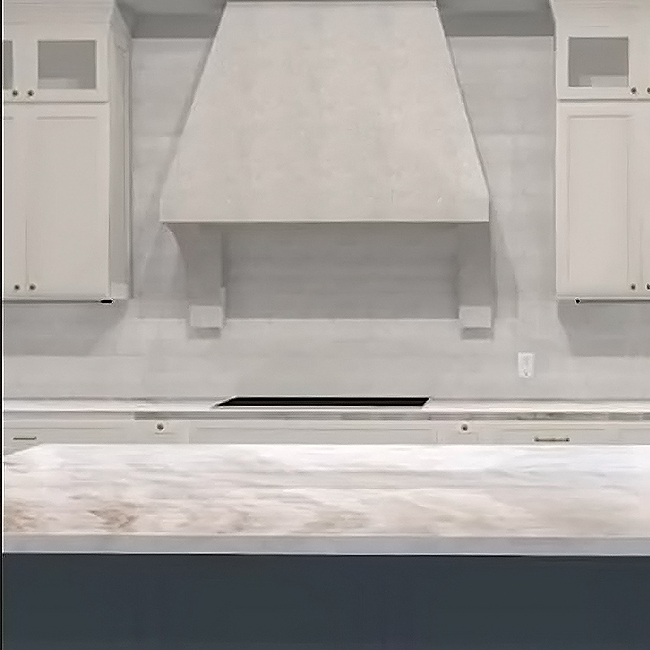
Countertops: Choose low-maintenance, easy-to-clean materials like Quartzite, a durable natural stone similar to granite.
Backsplash: Use porcelain tile for its cleanability and aesthetic appeal.
6. Flooring
We recommend using Luxury Vinyl Planks (LVP) for their exceptional durability, resistance to scratches and water, and ease of maintenance. Offers the warmth and look of wood with added safety features.
7. Space Planning
Walkways should be at a minimum of 36” wide for ADA compliance; 42” or more is recommended for improved maneuverability, especially for wheelchairs or walkers.
8. Ehanced Storage Solutions
Pantry Accessibility: Improve reachability and organization.
Hidden Storage: Utilize unused areas for discreet, functional storage.
Pull-Out Shelves & Lazy Susans: Make items easier to access without bending or reaching.